
Foundation Pouring at a Glance
The Sultan Tower construction site reached an important point on 18 and 19 July 2026.
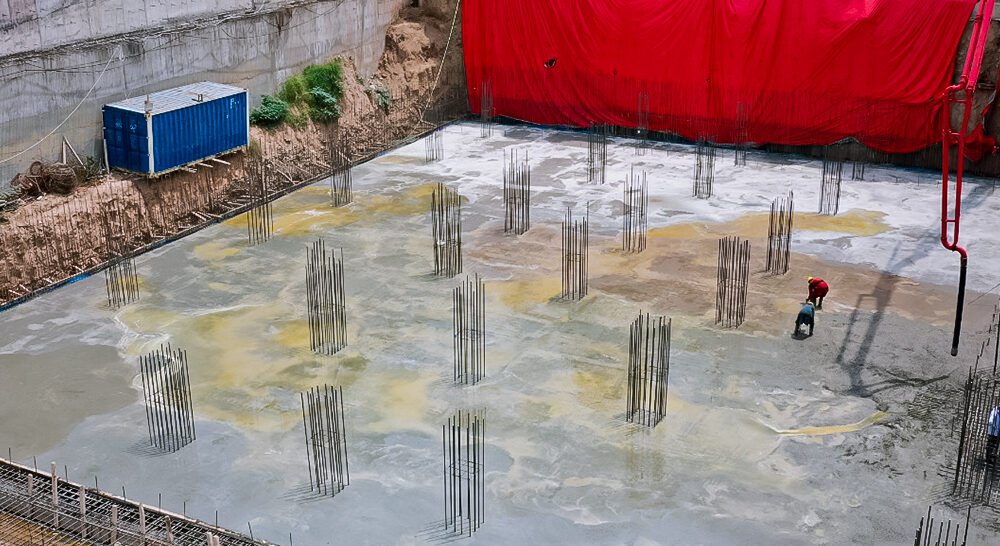
Moreover, Sultan Tower reached a major construction milestone, with Foundation Pouring work completed on 18 and 19 July 2026. This stage created the structural base needed for the next phase of development. As a result, the project has moved from early groundwork toward more visible structural construction.
A Major Construction Milestone
Sultan Tower has entered an important stage in its development journey. Moreover, the major foundation pouring marks the completion of a key part of the building’s groundwork.
Every large building needs a strong and carefully prepared base. Therefore, foundation work receives close attention before the structure begins to rise.
The construction team first prepared the foundation area. Next, workers completed the required steel reinforcement work. After that, the team placed, spread, and leveled the concrete across the planned sections.
This process created a broad structural base for the future building.
The milestone also shows that Sultan Tower has moved beyond initial excavation and site preparation. The project is now progressing toward the stages that will shape the main structure.
For buyers, investors, and business owners, the message remains simple: construction is moving forward, and the project has completed another major step.
Why Foundation Pouring Matters
A foundation supports the complete weight of a building. It transfers that load safely into the ground and creates a stable platform for the structure above.
For this reason, foundation pouring is one of the most important early construction stages.
People often focus on the parts of a building they can see, such as floors, walls, windows, entrances, shops, offices, and apartments. However, every visible part depends on the strength and preparation of the foundation below it.
A properly planned foundation supports structural stability. It also provides connection points for future columns, walls, beams, and lower-level construction.
Therefore, foundation pouring does not represent a routine site activity. Instead, it marks the point where planning, excavation, steel reinforcement, labor, machinery, and concrete work come together.
At Sultan Tower, this milestone creates the base for the next phase of development.
From Groundwork to Structural Progress
Large construction projects move through a planned sequence.
First, the site team prepares the land and manages excavation. Then, workers organize the foundation area and complete the required base preparation.
After that, the team installs steel reinforcement according to the structural plan. Finally, concrete placement turns that prepared area into a solid foundation.
Sultan Tower has now moved through this important transition.
The project is no longer limited to soil preparation and excavation. Instead, it has entered a more advanced stage where the main structural base is taking shape.
This change matters because each completed stage allows the following work to begin.
The project team cannot move directly to columns and floors without preparing the foundation first. Therefore, the foundation pouring gives the project a clear path toward vertical construction.
Steel Reinforcement Preparation
Before concrete placement begins, the construction team must prepare the reinforcement carefully.
Steel reinforcement helps concrete handle the forces that may act on the structure. Concrete provides strong support under compression, while steel adds strength where tension and movement may occur.
Together, both materials form a reinforced structural system.
Workers arrange steel bars across the foundation area according to the approved design. They also secure the bars so they remain in position during concrete placement.
This stage requires focus because the reinforcement becomes difficult to access after workers place the concrete.
The construction team must also prepare vertical steel bars at planned structural points. These bars later help connect the foundation with columns, walls, or other structural elements.


Careful Planning Before Concrete Placement
A major concrete operation requires more than material and machinery. It also needs planning, timing, labor, site access, and coordination.
Before the work begins, the team must prepare the active area. Workers need enough space to move safely, while equipment needs a clear route to the work zone.
The team must also plan how the concrete will reach different sections of the foundation.
In addition, workers need defined responsibilities. Some workers manage the concrete delivery. Others guide the pump hose, spread the fresh concrete, check the surface, and manage the surrounding work area.
This division of work helps the process continue at a steady pace.
Good planning also reduces avoidable delays. Concrete placement works best when workers, equipment, and material supply remain coordinated.
As a result, the successful completion of a major foundation pour reflects both physical work and organized site management.
The Concrete Pumping Process
A concrete pump helps the construction team move fresh concrete into large, deep, or difficult-to-reach areas.
The pump delivers concrete through a long pipe or hose. Workers then guide the hose across the active foundation section.
This method allows the team to place concrete more directly. It also helps workers control the flow and move the material across a wide area.
However, the pump cannot complete the work alone.
Workers must guide the hose carefully. At the same time, other team members spread the fresh material and direct it into the required sections.
The process needs steady movement. If too much concrete collects in one location, workers must move and spread it before continuing.
Therefore, the pump and site team work together throughout the operation.


Spreading and leveling the Concrete
After the pump places the concrete, workers spread it across the prepared foundation area.
They use suitable tools to pull and guide the fresh material. This helps cover the reinforcement and fill the planned section.
Next, workers level the surface.
leveling helps the team maintain the required height and creates a more consistent foundation base. It also prepares the area for the next construction activities.
Fresh concrete may appear uneven during placement. However, as workers continue spreading and leveling it, the surface becomes more controlled.
The team must work efficiently because concrete changes as time passes. Therefore, workers need to manage the active section without unnecessary delays.
At the same time, they must avoid rushing the process. Careful coordination remains important from the first delivery to the final surface work

Teamwork During Foundation Pouring
Each worker supports a different part of the process. Some manage reinforcement and active work zones. Others guide the pump pipe, move the concrete, level the surface, and check the surrounding area.
Site supervisors and engineers also coordinate the activity according to the project plan.
This teamwork helps the construction process remain organized.
For example, the concrete pump operator needs clear guidance from the team inside the foundation area. Meanwhile, workers spreading the concrete need enough room to move and complete the surface work.
The team must also protect structural connection points while concrete placement continues around them.
Therefore, communication between workers plays an important role.
The completion of the foundation pouring shows how multiple teams, skills, and responsibilities came together during one major construction phase.


Site Safety and Work Control
Construction sites contain machinery, steel bars, wet concrete, uneven surfaces, deep sections, and moving equipment.
For this reason, safety and controlled movement remain important throughout the foundation process.
Workers need suitable protective equipment for the tasks they perform. The site team must also manage access to active work zones.
Clear routes help workers move around the foundation area without disturbing the ongoing process.
In addition, the team must manage the concrete hose and other equipment carefully. A large pump line can move during operation, so workers need to remain alert and communicate clearly.
Wet concrete can also make surfaces difficult to walk on. Therefore, workers use practical work boots and tools that support safe movement.
Safety depends on constant attention. It does not come from one measure alone.
Instead, it requires equipment, planning, supervision, communication, and responsible behavior from everyone on the site.
Progress Toward Vertical Construction
Foundation pouring brings Sultan Tower closer to visible vertical development.
The project team first had to complete the work below and around the ground level. Now, the completed foundation can support the structural elements that will begin to rise above it.
Future stages may include column reinforcement, shuttering, concrete columns, structural walls, beams, basement areas, and further slab work.
The exact order will depend on the approved construction program.
However, the direction is clear.
Sultan Tower is moving from foundation work toward the main structural phase.
As columns and floor levels begin to take shape, the building will become easier to recognize from outside the project site.
This visible growth often attracts more attention. Still, it remains possible only because of the groundwork completed first.

Why This Progress Matters to Buyers
Property buyers want clear information about construction progress.
They want to know whether the project is active, whether major stages are being completed, and what work may happen next.
The foundation milestone gives buyers a simple update.
Sultan Tower has completed an important early structural stage. The project now has a concrete base for future construction.
This progress can help buyers understand where the project currently stands.
However, every property decision should include a wider review. Buyers should examine the official project documents, payment terms, approvals, unit details, location, and construction information.
They should also speak directly with the authorized project team.
Construction progress adds confidence, but buyers should always make informed decisions based on complete and verified information.
Why This Progress Matters to Investors
Investors often study location, project planning, development progress, unit type, payment structure, and long-term potential.
Construction progress remains an important part of this review.
A completed foundation stage shows that the project has moved beyond early site preparation. It also creates a base for the future structure.
Regular construction milestones allow investors to follow the project over time.
For example, they can track progress from excavation to foundation work, columns, lower levels, upper floors, external development, and finishing.
This creates a clearer development timeline.
Still, investors should complete their own due diligence. They should review all legal, financial, and project-related information before making a decision.
The foundation milestone provides useful progress information, but it should form one part of a complete investment review.
What to Expect After Sultan Tower’s Foundation Pouring?
After the foundation reaches the required stage, the project team can continue with further structural work.
The next activities may include vertical reinforcement, columns, walls, beams, shuttering, lower-level structures, and additional concrete work.
The project may also continue work around access points, service routes, basement sections, and other planned areas.
The approved engineering program will control the exact sequence.
Future progress will become more visible as the building begins to rise.
However, every next stage will depend on the strength and preparation of the foundation completed during this milestone.


Final Overview – Foundation Pouring
The Sultan Tower foundation pouring on 18 and 19 July 2026 marks a major step in the project’s construction journey.
The work brought together site preparation, steel reinforcement, concrete pumping, surface leveling, labor, machinery, and coordinated project management.
Most importantly, it created the structural base required for the next phase.
Sultan Tower has now moved beyond initial groundwork and toward more visible structural development.
For buyers, investors, and clients, the message remains clear:
The foundation milestone has been achieved, construction is progressing, and the project is preparing for the next structural stage
